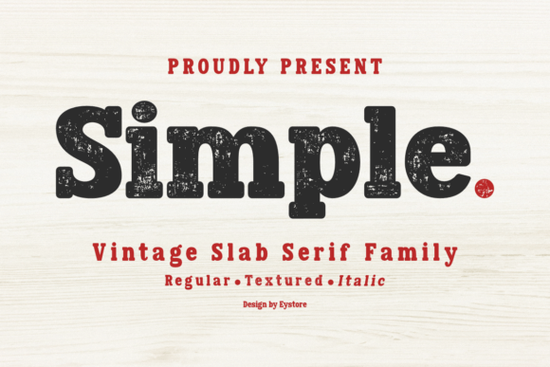
If you're looking for a slab serif font that feels both grounded and expressive something that works just as well on a hand-printed coffee bag as it does in a digital logo mockup you’ll likely find Simple Font fits naturally into your workflow. It’s not overly ornate, but it’s never plain either. The family includes Regular, Textured, and Italic styles, each built with sturdy serifs, subtle distressing, and generous spacing that keeps readability high even at smaller sizes or on fabric labels.
What makes Simple Font different from other slab serifs?
Many slab serif fonts lean heavily into either retro kitsch or sterile minimalism. Simple Font sits comfortably between them. Its texture isn’t aggressive it’s the kind of gentle wear you’d see on an old tin sign left outside for a season, not heavy grunge. That means it adds warmth without sacrificing clarity. Designers working on branding for small-batch food producers, indie apparel lines, or local breweries often tell us this is the first font they reach for when they want something that feels handmade, but still professional.
It also scales well. Unlike some distressed fonts that blur or lose definition when resized, Simple Font holds up across formats from embroidery digitizing (where clean outlines matter) to large-format signage (where legibility at a distance is key). That versatility is why crafters using Cricut or Silhouette machines appreciate having both the clean Regular and the character-rich Textured version in one purchase.
Where do people actually use it?
We’ve seen Simple Font used in real projects like:
- Label designs for small-batch hot sauce and honey brands
- Embroidered patches for outdoor gear companies
- Western-themed event posters and wedding stationery
- Minimalist packaging for ceramic studios and candle makers
- Digital shop banners for Etsy sellers launching new product lines
The Italic style works especially well for short accents like a tagline under a primary logo or for handwritten-style notes in printable planners. And because it’s designed with consistent metrics across all three weights, swapping between them mid-project rarely breaks your layout.
How does it compare to similar fonts on Creative Fabrica?
If you’ve browsed slab serif options before, you might recognize the solid structure of Wildhorn Slab. It shares the same no-nonsense foundation but leans more polished and contemporary. Simple Font, by contrast, prioritizes tactile authenticity think grain, slight unevenness, quiet imperfection. That makes it a stronger match for rustic or heritage-leaning brands.
Another common comparison is with Simple Font itself yes, the product page name matches the font name, which helps with clarity but it’s worth noting that this isn’t a “basic” or generic typeface. It’s intentionally crafted: the letterforms have subtle variations in stroke weight, the terminals are softly squared (not harshly cut), and the spacing was fine-tuned for both tight display settings and longer body text blocks in printables.
Is it beginner-friendly?
Yes if you’ve ever installed a font on your computer or uploaded one to Canva or Adobe Express, you’re ready. No special software or licensing headaches. It works in standard OTF and TTF formats, and the included guide walks through basic usage tips (like how to access the textured alternate characters in design apps that support OpenType features).
For crafters using cutting machines, the clean vector outlines mean fewer cleanup steps before sending to your machine. Print-on-demand sellers report fewer customer questions about “why does the text look blurry?” a common pain point with low-res or poorly hinted fonts.
A note on licensing
The license covers personal and commercial use including physical products like mugs, t-shirts, and stickers as well as digital goods like Canva templates or printable planners you sell. You don’t need an extended license for standard POD platforms (Redbubble, Teespring, Printful, etc.), but always double-check their latest terms if you’re scaling up.
If you’re curious about how slab serifs evolved or want to explore more examples of vintage-inspired typography this Simple Font page includes user-submitted project photos and pairing suggestions.
Before downloading: Try typing out your most common use case like your shop name, a product subtitle, or a tagline in both Regular and Textured. See which one feels more aligned with your brand voice. If you’re designing for screen-first use (like social media banners), lean into Regular. For physical goods where texture adds depth (wood signs, woven labels, stamped tags), start with Textured.
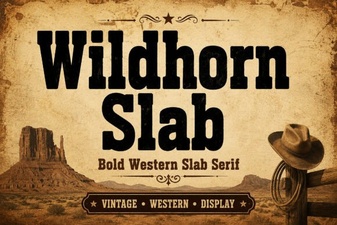 Wildhorn Slab: Bold, Versatile Display Font
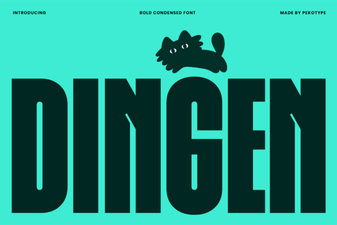 Dingen Font: Creative & Versatile Design Tool
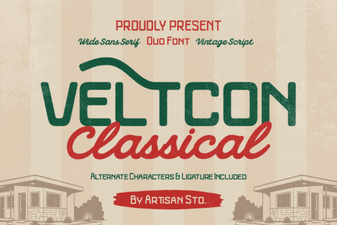 Veltcon Font: Bold & Versatile Design Inspiration
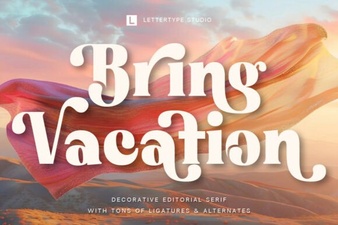 Bring Vacation Font: Creative Design Ideas
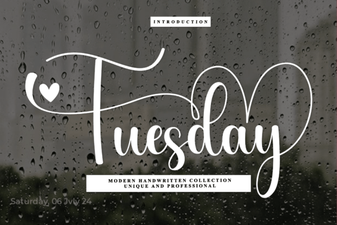 Tuesday Font: Clean, Creative Typography for Design Projects
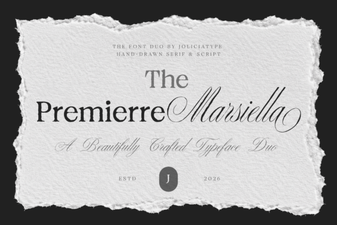 Premierre Marsiella: Elegant Font for Creative Projects